What is Plant Hardiness?
Plant Hardiness
Plant hardiness is something we may hear about from time to time but do we really understand what it is? What does it mean to be hardy? What determines if it is hardy or not?
Basically the meaning of plant hardiness is how well a plant can tolerate cold temperatures. The United States Department of Agriculture, USDA as we know it best, came up with a chart that breaks down the country into temperature areas or zones.
Breaking down plant hardiness
The country is broken down into zones divided by 10 degree increments. These zones are numbered 1 to 13 with 1 being the coldest and 13 the warmest. Most of the country falls in the range from 3 to 10.
Zone 3 goes down to minus 40 degrees and zone 10 goes down to 30 degrees. Each zone is broken down into “a” and “b” with “a” being the colder division. These divisions are just 5 degrees apart.
How did they do it?
The USDA based these zones on extreme cold temperatures averaged out over a number of years. They used data from over a dozen years from hundreds and hundreds of weather stations across the United States. Remember, these are averages.
Go back to your math classes in school. You know the ones that you’ll never use outside of school. Averages are when you add up all the numbers, high and low, and you get a total. Then you divide, another math term you’ll never use, that total by how many different numbers you added up.
Average extreme low temperature doesn’t mean it won’t get colder than that in your area. You can still get a colder temperature once in awhile. It also means that sometimes it won’t even get that cold in your area.
Putting this to use
Since I am in the very northwestern corner of Pennsylvania, I am in Zone 6a. I have put my zipcode into the USDA map and they tell me I’m Zone 6a. Another cool feature of this map is you can actually zoom in on your location by clicking your address.
By clicking the layers button at the left, you can get a view of your street and even your house by hiding the zone info. Take a look and zoom in a bit. You didn’t know that was on your roof, did you?
When we buy plants that have those pretty tags hanging from the pot, they’ll usually mention a Hardiness Zone. You didn’t know that? Now you do. It will usually say something lke hardy to Zone 5 or maybe Hardy to -10.
You want to plant things in your yard that are hardy to your zone. You’ve already entered your zipcode and know your zone. Now find plants that are rated for that zone.
A word of caution
Since I live in a colder area of the country, I can’t grow warm, tropical plants in my yard. Palm trees and other warm area plants won’t survive our brutal cold. These plants may actually be sold in my area garden centers though.
They are sold for those people that may want to grow them in a large pot and can bring them indoors for the winter. Others are grown as houseplants since they can’t tolerate any cold. These plants may be pretty but they just can’t be planted here.
While that kind of thing is very obvious, there are also plants that are included with all our hardy plants for sale that aren’t. They are plants rated for a zone or two warmer than our zone. Unfortunately, people buy them and plant them in their yard. They grow during the summer season but die over the winter because it gets too cold for them.
How to get around it
Does this mean you always have to grow plants only rated for your zone? First off, the zone listed is what has been determined by the growers of that plant in areas that it was test-grown. There are people in different areas of the country that grow these plants in trial gardens.
They watch how these plants react to various conditions. Heat, cold, water, and other growing conditions. This is how they determine their growing zone.
Micro climates
If you have a yard that is much bigger than a postage stamp, you should know that there are little differences from one area to another in your yard. If it is completely flat, it may have different soil conditions. A big thing to mix things up is your house.
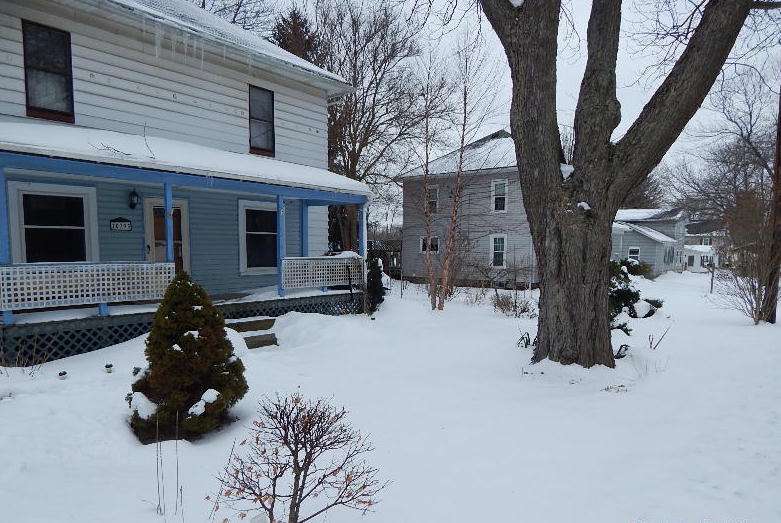
Your house will cause shade during the day. It will also block winds from different directions. The area next to the house can be a different temperature than away from the house.
Changes in your yard like humps and low points. Trees of different size and type. Evergreens or leafy shade trees. Small out buildings like sheds or maybe a gazebo, trellis, or pergola.
These are all things that can create small special growing areas in your yard. These are called micro climates. You may be able to grow something here that would not survive in other areas of your yard. These micro climates are mini yards within your yard.
The other end too
Not all micro climates are to the warmer side though. You may also have an area than can actually be colder. Perhaps those cold nasty winter winds howl through that spot.
If you have a plant that is supposed to be hardy for your area but it dies over winter, perhaps you have a bad micro climate. It may not be an obvious reason or something you can figure out that year. It is often one of those things that you just have to see to believe.
Other ways to help with plant hardiness
There are other ways to help with plant hardiness that you can do. Planting vulnerable plants in an area that protects them from winter winds helps. Winds will dry out plants more which makes them more vulnerable to the cold.
Which direction does most of your winter winds blow from? I grow several varieties of macrophylla Hydrangeas in my yard. This family of Hydrangea relys on getting their flower buds through winter to bloom the follow year.
While it may sound weird, our worst winter winds blow out of the south. By planting these Hydrangeas on the north side of my house and shed, I give them some extra protection from these nasty winds. I may not get tons of blooms every year, I do get at least some every year.
Some plants may die back during winter but the roots stay alive and grow again the following year. Hardy Hibiscus are plants like this. By removing the top branches and adding a layer of mulch over the plant base you are giving them some extra protection.
Even if the top doesn’t die back in winter, a layer of mulch gather around the base of a plant will give it a better chance of survival. Even a pile of leaves around the plant is a layer of protection.
Another thing that gives a marginal plant a help is planting them early. Plant them early in the growing season. This gives them the longest time to establish a good root system before winter hits.
Bottom line for plant hardiness is…
It all boils down to how much you understand what winters are like in your own yard. What have they been like over the last several years? Are you willing to risk a zone higher plant in your yard? Is the beauty or features worth the risk?
There is always that one winter that can be worse than ever before. More snow than on record. Coldest temperatures than ever before. Remember it is an average temperature hardiness.